When Jessica Watkins became commander of her mission to the International Space Station, she didn't just fulfill her duty as an astronaut — she made history.
Watkins is commanding SpaceX's Crew-13 mission, which launched her and three other astronauts to the International Space Station on Oct. 1. As their Crew Dragon capsule lifted off atop a Falcon 9 rocket that day, Watkins became the first Black woman to command a crewed mission to space. Spaceflight and space science are historically white and male-dominated fields, so this milestone carries incredible significance.
"This is certainly an important milestone, I think both for our agency and for the country," Watkins said in a press briefing ahead of Crew-13's launch.
This is Watkins' second spaceflight. She previously flew on SpaceX's Crew-4 mission in 2022 and has spent more than 200 days in space to date, though that number will keep climbing for a while, as Crew-13 is set to be an approximately six-month mission. A geologist, astronaut, aquanaut and former professional rugby player, Watkins brings an incredible variety of skills to her new role as mission commander. And, in addition to what she's bringing to her colleagues on mission, she's also providing some serious inspiration for those back on Earth.
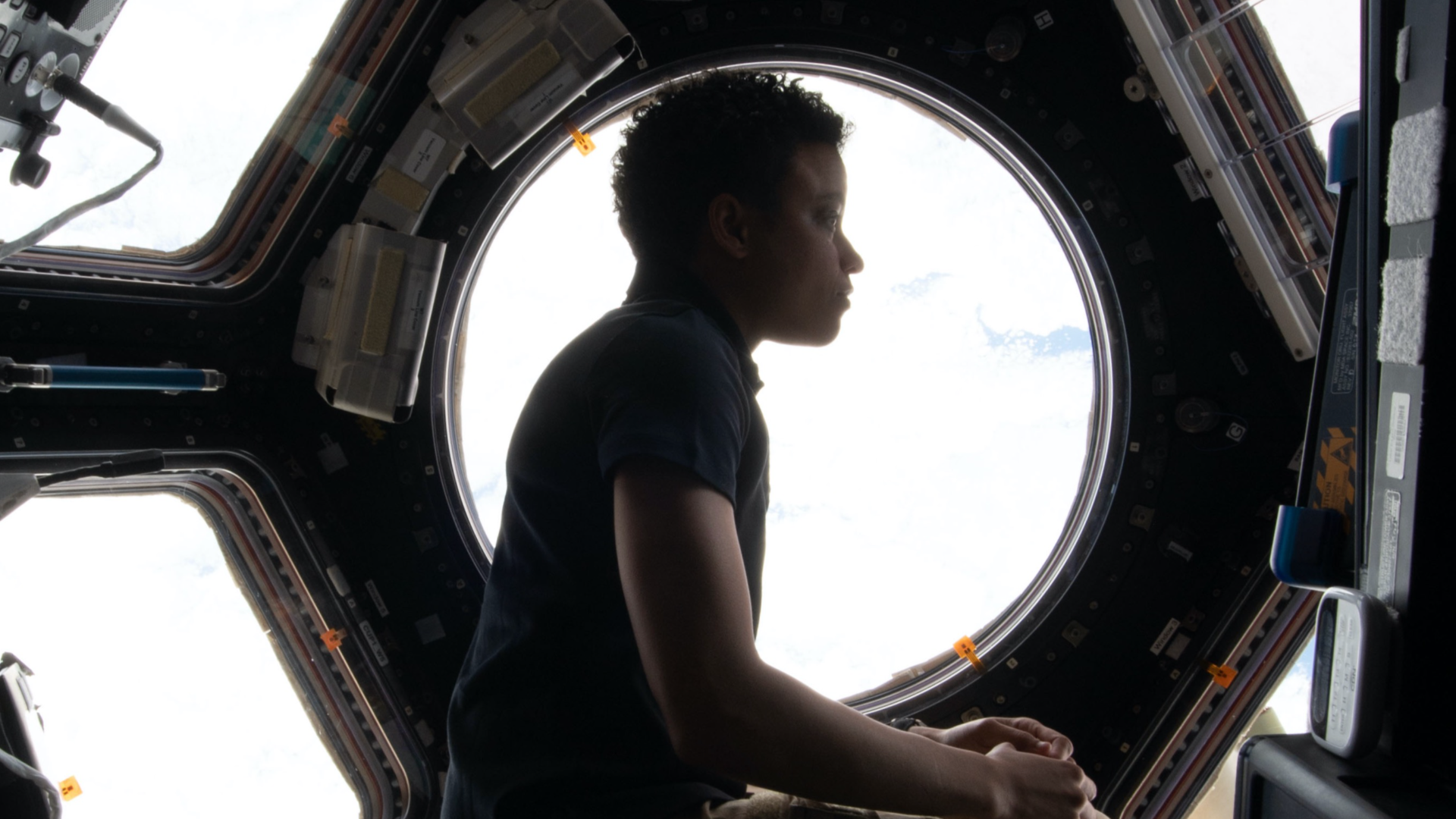
"Jessica is an inspirational symbol to a lot of people," commercial astronaut and fellow geologist Sian Proctor, who became the first Black woman to pilot a spacecraft on SpaceX's private Inspiration4 mission to orbit in September 2021, told Space.com. Sian shared that the two even crossed paths years ago, when their astronaut training aligned.
"It just means so much to so many people when you see a diverse crew, and particularly women, and women of color, in leadership positions," Proctor said. "And it means something for America."
The visibility of Watkins' accomplishments and missions carries significant cultural weight. However, in addition to recognizing her many achievements, "you also should celebrate the fact that she's African American and a role model for her community," Proctor said.
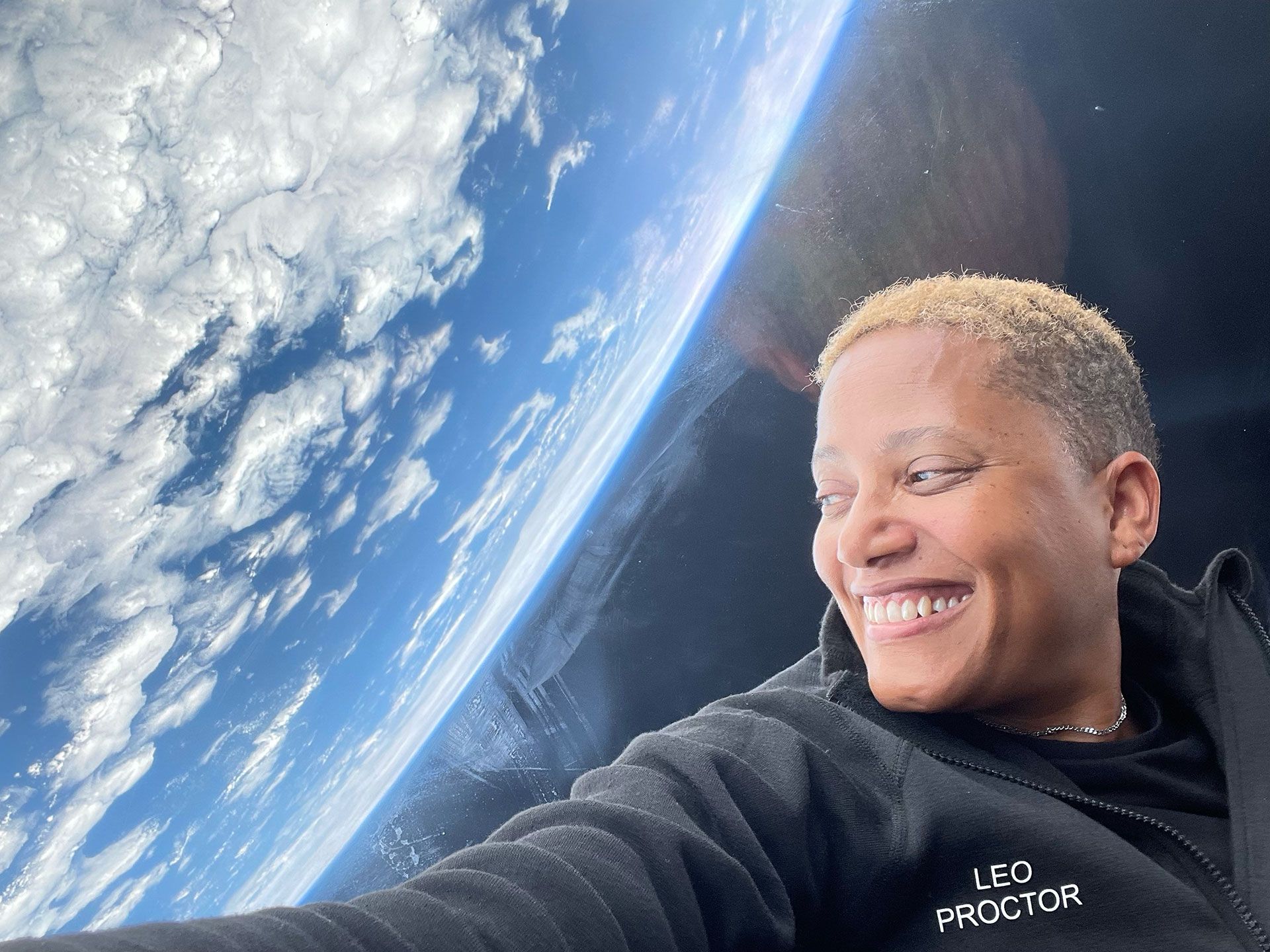
Proctor, who similarly made spaceflight history with her mission, sees Watkins' role in Crew-13 as potentially more than just an exciting moment. Hopefully, she said, it will help lay the foundation for a more diverse future in human spaceflight.
"When they announced Jessica, I was super excited because it shows progress," Proctor said, sharing that she finds incredible importance in the "idea of looking at your crew and recognizing the fact that diversity makes the crew stronger."
While Watkins' historic milestone has been celebrated on social media and across the broader media landscape, NASA did not make a public statement commemorating the historic achievement. However, the agency confirmed its pioneering nature in an email to Space.com.
"NASA astronaut Jessica Watkins launched on her second spaceflight on Oct. 1, 2026, as commander of the agency's SpaceX Crew-13 mission to the International Space Station, becoming the first Black woman to command a crewed space mission," a NASA spokesperson wrote in the email.
"Watkins was selected as commander of Crew-13 based on her spaceflight experience, leadership, and ability to help the mission accomplish its objectives," the spokesperson added. "As a member of NASA's astronaut corps, she represents the best of America's talent, dedication, and spirit of exploration."

The future of spaceflight
To date, the U.S. and the Soviet Union are the only nations to have launched Black astronauts into space. (The Soviets beat the U.S. to this milestone, launching Cuba's Arnaldo Tamayo Méndez in 1980. NASA's Guion Bluford became the first Black American in space three years later.) But, as Proctor shared, perhaps moments like this could serve to inspire other nations to follow suit.
"We can be a leader in saying, Look, if your country is diverse and has people from all different backgrounds, you should be encouraging them to apply and have a chance to be selected," Proctor said.
And, as a commercial astronaut herself, Proctor added that commercial space can continue to play a vital role in diversifying spaceflight.
"Jared did not even hesitate when he offered me the mission pilot seat for Inspiration4," Proctor said of her own selection as mission pilot by Jared Isaacman, the tech billionaire who funded and commanded the SpaceX mission. He now serves as NASA administrator.
"Commercial space has opened up so much opportunity and access. We are celebrating that because that's another way in which the space industry has diversified so much," Proctor added. "You can look at the history of space exploration and who's had access, and then you look at what commercial's done in the last five years, and it's incredible."
On the topic of the future of space exploration, Proctor expressed confidence that future crewed moon landings with NASA's Artemis program will be diverse.
"NASA is going to send diverse crews to the moon because they've done a good job of selecting diverse individuals with different heritages in their background," she said. NASA's current astronaut corps is roughly 45% women and 25% people of color. However, to-date only 6 Black women (including Watkins) have ever flown to space.
"Do I want to see more? Do I want women of color? Absolutely. They only have two Black women," Proctor said. But with the current diversity in NASA's astronaut corps as well as the continued development of commercial spaceflight, she is optimistic about a diverse future on the moon.
So far, NASA's Artemis program has been making some inroads when it comes to diversity. With Artemis II, we saw four people launch to the moon which included Victor Glover, the first person of color to ever travel beyond low-Earth orbit, and mission specialists Christina Koch and Jeremy Hansen who became the first woman and first non-American to make the same leap.
Additional pressures
In reaching her own historic milestone as the first Black woman to pilot a spacecraft, Proctor understands that a historic moment like this carries not just incredible significance but a fair amount of personal pressure as well.
"If something goes wrong, because of who you are, maybe your gender or your ethnicity or race, you're looked at differently," she said. "When it goes right, you're not necessarily celebrated. But if it goes wrong, then that [adds to] that whole idea of 'not being qualified,'" that can come from prejudice.
"Because of who you are and the community you represent, you become the scapegoat," she added. "So, there's pressure to not have things go wrong and do everything you can to be better than the best."
But whether or not these pressures weigh on Watkins' mind, "we're all celebrating" back on Earth, Proctor said. "We're proud of her."